
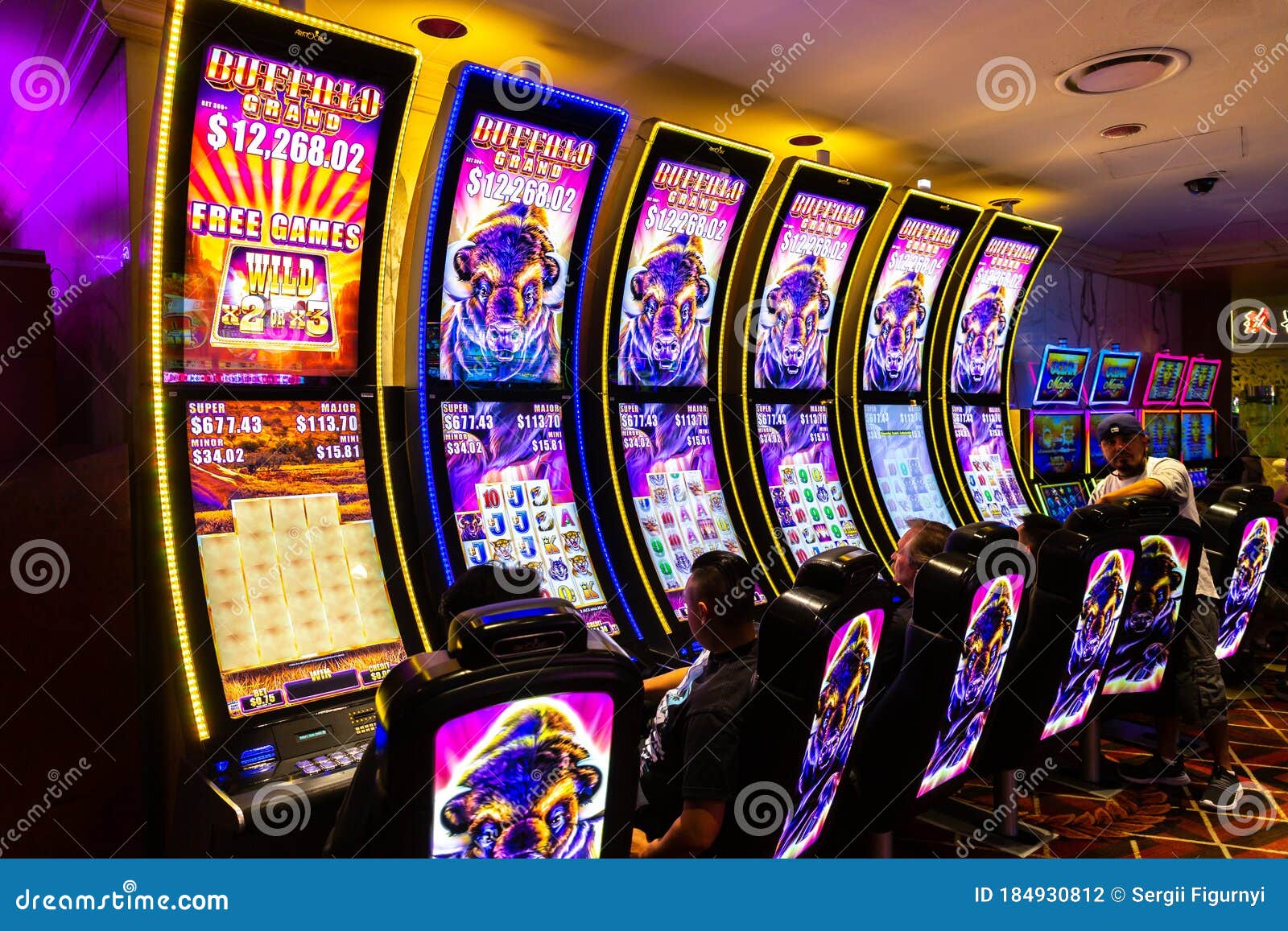
I discovered the hard way that the clock is the one opponent you never beat. When I first started playing at online platforms like SlotsGem Casino, I handled every session like a sprint. I would deposit, chase a big win, and only stop when my balance hit zero or I was too exhausted to continue. That approach set me back far more than it should have, not just financially but in pure enjoyment. Session management is not about restricting fun; it is about extending it, protecting it, and making sure you walk away with your bankroll and your mood intact. In Greece, where the pace of life often encourages long, leisurely evenings, it is easy to lose track of time. This guide is my practical breakdown of how to structure your play so that you remain the one in control.
Profit Objectives and the Art of Leaving While Ahead
Stepping back when you are winning feels wrong because the brain is overloaded with dopamine and begging for more. I have learned that a win goal is just as important as a loss limit, perhaps even more difficult to stick to. A sensible win goal is usually a percentage of your session bankroll, not a specific jackpot dream. If I sit down with €100, I might choose a target of €150 or €180. Once I achieve that threshold, I force myself to withdraw the original deposit plus a portion of the profit. Maintaining a small “house money” balance to play with satisfies the urge to continue without endangering the tangible gain.
The logistics of cashing out count. I steer clear of leaving large sums in my casino wallet because the friction of re-depositing is a effective deterrent against impulsive bets. When I win, I instantly initiate a withdrawal to my e-wallet or bank account. Processing times vary by payment method, but the mere act of clicking “withdraw” confirms the win as real money, not just digital credits on a screen. I have witnessed too many players, myself included in the early days, turn a €500 profit into a €200 loss simply because the money was still lingering in the gaming balance, appearing like “bonus” funds that did not matter.
It assists to link a tangible reward to the win goal. Instead of regarding the profit as more ammo for betting, I in my mind earmark it for a nice dinner, a new gadget, or a weekend trip to the Greek islands. This transforms abstract numbers on the screen into a concrete life upgrade. When you are about to break your win goal and keep spinning, ask yourself if you would literally take €200 out of your wallet and hand it back to the dealer. If the answer is no, stop playing. The casino will be there tomorrow. The profit, however, disappears silently if you extend your welcome.
Money Management and Stake Planning Strategy
I never load a single game with my entire session budget. Bankroll segmentation means dividing your funds into smaller, game-specific portions that determine your bet size. If I have €100 and I wish to play slots, I could assign €70 to high-volatility games and €30 to low-volatility “grinder” slots. For the high-volatility portion, I decrease my bet size to secure at least 100 to 150 spins. This offers the game enough runway to hit a feature round. Betting €2 per spin on a €70 stack provides you with only 35 spins, which is numerically lacking to weather the dry spells inherent in volatile games like those often featured at SlotsGem Casino.
The math here is simple but often neglected. A game with a 96% Return to Player (RTP) does not promise you will lose only 4% in a single session; that figure unfolds over millions of spins. In a short session, variance is paramount. I set my bets so that my bankroll can endure at least 80 to 120 dead spins without any trouble. If I get the desire to raise my bet after a win, I adhere to a strict rule: I only boost the bet from the profit pool, never from the original stack. This “ratchet” method secures the base bankroll while letting the winnings ride. It is a controlled middle ground between foolish boldness and excessively cautious play.
For table games like blackjack or roulette, I split even more strictly slotsgemscasino.gr. I never risk more than 5% of my session bankroll on a single round. This rule stops the catastrophic tilt that happens after a bad beat. If I lose a 5% bet, I still have 95% of my funds to recover mentally and financially. If I lose a 50% all-in bet, the session is effectively over, and the psychological damage persists. I also sidestep the “Martingale” doubling trap. It appears logical on paper, but table limits and finite bankrolls turn it into a disaster. Steady, flat betting or a conservative 1-3-2-6 positive progression system holds me steady.
Identifying Emotional Tilt and Fatigue Indicators
Tilt is not just a poker term; it extends viciously to casino sessions. I describe tilt as any emotional state that bypasses your pre-set strategy. For me, the most dangerous trigger is a rapid sequence of near-misses. When a slot bonus round tempts with two scatters and misses the third by one position three times in a row, my rational brain understands it is random, but my lizard brain screams “it’s due.” This is the moment I am most likely to increase my bet size irrationally. I have learned to recognize the physical signs of tilt: a clenched jaw, leaning closer to the screen, and clicking the spin button faster without even processing the outcomes.
Fatigue is tilt’s silent partner. After midnight, my self-control reserves are drained. I make decisions I would laugh at at noon. I now enforce a strict “no important decisions after 1:00 AM” rule, which fits well with the responsible gaming culture promoted in Greece. If I realize I am yawning or squinting, I end the current spin and close the browser. The casino lobby will look identical in the morning, but my judgment will be vastly improved. Playing while sleepy is like driving drowsy; you might not crash immediately, but your reaction time to a bad situation is dangerously slow.
To combat tilt, I employ a “state check” every 20 minutes. I halt, look away from the screen, and ask myself if I am still following my bet sizing and time limits. If I have broken even one rule, I log out for at least an hour. This micro-accountability avoids small slips from becoming full-blown bankroll disasters. I also refrain from alcohol during sessions. A glass of wine might feel sophisticated while playing live roulette, but even mild intoxication lowers inhibition. The combination of alcohol and an easy deposit button is a recipe for a morning loaded with regret and a mysteriously lighter bank account.
Understanding the Actual Function of a Time Limit
Most players assume a time limit functions solely to avoid heavy losses, but I see it as a instrument for mental clarity. After roughly 45 to 60 minutes of continuous play, the human brain commences to feel decision fatigue. The vibrant graphics and rapid spin cycles at a modern online casino are engineered to keep adrenaline pumping, which hides cognitive tiredness. When I overlook the clock, I begin making irrational bets, chasing losses that a rested mind would dismiss as statistical variance. Setting a hard stop is not a punishment; it is a recognition that your analytical edge fades over time. In a region like Greece, where late-night gaming sessions are frequent due to the cultural habit of staying up late, this discipline becomes even more essential.
I advise using a timer completely separate from your phone or computer screen. A simple kitchen timer placed across the room ensures a physical interruption. You have to stand up to silence it, breaking the hypnotic trance of the reels. This physical reset is more efficient than a silent phone alarm you can swipe away. I also steer clear of the “just five more spins” trap by setting my limit before I log in, not during a heated moment. The goal is to end the session while you are still able of making a rational decision about whether to continue tomorrow. A strict time boundary protects the entertainment value and prevents the hollow feeling of a marathon session that blurred into a fog of automatic clicks.
Time limits also secure your eligibility for bonuses. Many platforms, including SlotsGem Casino, structure their promotions around active daily or weekly engagement rather than a single 12-hour binge. By capping my sessions at a reasonable length, I can come back fresh the next day to claim a new daily reward or free spin offer. If I blow through my entire weekend budget in one sitting, I miss out on the drip-fed value that keeps a bankroll healthy. Treating time as a limited resource, just like your deposit, changes how you value every spin. It transfers the focus from “how much can I win right now” to “how long can I make this entertainment last.”
FAQ
What is the single most critical rule for managing a casino session?
The most important rule is defining a hard loss limit before you deposit and never exceeding it. This limit must be money you can spare without affecting your basic expenses. Once the limit is reached, you have to log out immediately. No recovering losses, no “one more spin.” This safeguard secures your finances and compels you to view gaming exclusively as paid entertainment.
How long should a healthy online casino session last?
I recommend restricting sessions from 45 and 90 minutes. After approximately one hour, decision fatigue develops, and you become more susceptible to tilt and irrational betting. Use a physical timer positioned away from your desk to enforce the stop. Having a break of at least 15 minutes after a session assists refresh your cognitive focus before contemplating another deposit or gaming period.
Can I use bonuses to prolong my session time securely?
Yes, but you have to read the wagering requirements carefully. A bonus with a 35x wagering requirement on a €50 deposit means you have to wager €1,750 before cashing out. Use bonuses to play low-volatility games with high RTP to work through the requirements steadily. Steer clear of high-stakes bets with bonus funds, as they can wipe out the balance before you meet the turnover conditions.
What defines a realistic win goal for a casual player?
A realistic win goal represents 50% to 100% of your session bankroll. If you deposit €100, try to stop when your balance reaches €150 or €200. Immediately withdraw your initial deposit and a portion of the profit. Setting aside a small amount of “house money” to play with meets the gambling urge while guaranteeing a tangible financial win that you can actually spend in the real world.
What is the best way to stop chasing losses during a live dealer game?
Try a turn-based game or step away entirely. Live dealer games move fast, and the social pressure can trigger rapid chasing. I apply a “three consecutive losses” rule: if I lose three hands or spins in a row, I close the table immediately. This circuit breaker stops the emotional spiral where you double bets to recover, which statistically accelerates your losses.
Are the responsible gaming tools at SlotsGem Casino easy to use?
Yes, reputable platforms feature straightforward tools. You can typically set deposit limits, loss limits, and session time reminders directly from your account dashboard. I suggest activating the “Reality Check” pop-up every 30 minutes. It shows your net result and time played, breaking the trance of continuous play. These tools are not just for problem players; they are crucial for any disciplined session strategy.
Why is it harder to stop when I am winning than when I am losing?
Scoring a win triggers a surge of dopamine that creates a powerful euphoria, making the brain desire more. This “hot hand” fallacy persuades you that the winning streak will continue indefinitely, even though each round is independent. I counter this by establishing a win goal ahead of time and visualizing a specific real-world purchase. When the gain covers that purchase, I cash out immediately, converting digital credits into a real reward.
Establishing a After-Session Review Habit
The session concludes when I leave the game; it ends after I complete a short review. I spend five minutes jotting down three things: my peak balance, my minimum balance, and my psychological state at the end. This practice turns gambling from an unconscious activity into a purposeful hobby. I frequently discover that my peak balance happened early in the session, indicating I played too long and surrendered profits. This data point is painful but priceless. It trains my brain to connect “quitting while up” with good reinforcement, rather than the anxiety of missing out on a possible bigger win.
I also sort my sessions by game type. If I observe that live casino sessions always end in losses because I find difficult the faster pace, I might move that budget to slots or take a break from live tables. The review is not about self-criticism; it is about spotting trends. Possibly I do better on weekday afternoons than on weekend nights when I am tired. Adjusting my schedule accordingly doesn’t cost a thing but substantially enhances my long-term enjoyment. The goal is to be a more skilled player, not automatically a luckier one, because luck is not a ability you can develop.
Finally, I use the review to organize my next session. Depending on the outcome, I choose if I need to lower my bet size or if I am able to afford a slightly longer session next time. This proactive approach completes the loop. It transforms session management from a set of strict rules into a adaptive evolving framework that conforms to my life. The Greek ethos of “pan metron ariston” — everything in moderation — holds perfectly here. A well-managed session respects the mathematics of the games while honoring the human need for excitement and escape. Here are the core principles I adhere to without exception:
- Establish a hard time limit of 90 minutes maximum and employ a physical timer placed across the room to implement it.
- Determine a loss limit before depositing and consider that money as spent the moment you click confirm.
- Define a win goal of 50% to 100% of your session bankroll and cash out immediately upon reaching it.
- Segment your bankroll by game type and never bet more than 5% of your session funds on a single round.
- Perform a state check every 20 minutes to ensure you are still following your bet sizing and time rules.
- Carry out a five-minute post-session review logging your peak balance, lowest balance, and emotional state.
I have discovered that the participants who persist the longest in this activity are not the most blessed but the most systematic. They approach each session as a independent occurrence with clear beginning and stopping criteria, never as a unbroken blur of plays and anticipation. The tools are accessible, the mathematics is straightforward, and the only variable left is your willingness to obey your own guidelines. Commence with one rule from the selection above, use it consistently for a week, and notice how your connection with the titles transitions from passive to intentional. That one change is often the gap between a annoying depletion and a genuinely entertaining activity.
Determining a Loss Limit Before You Deposit
A loss limit is a non-negotiable firewall dividing your gaming budget and your essential living expenses. I never log into my account without a specific number in my head that I am willing to lose. This figure must be disposable income, completely disconnected from rent, utility bills, or the weekly grocery shop in Athens or Thessaloniki. The psychological danger lies in regarding a deposit as an investment rather than a fee for entertainment. When I realize that the money is spent the moment I deposit, I stop making frantic bets to “recover” it. A loss limit is the price of admission for the thrill, not a temporary loan you need to claw back.
I find it beneficial to break my loss limit down by session rather than by month. If I set a monthly cap of €300, I divide it into three or four distinct sessions of €75 or €100. This prevents a single bad afternoon from destroying an entire month of entertainment. Once the session loss limit is hit, I enforce a mandatory 24-hour cooling-off period. This is not because I believe a “hot streak” is due tomorrow, but because chasing losses in the immediate aftermath of a bad beat is the fastest way to empty a bank account. The cooling-off period lets the emotional sting dissipate so my next deposit, if I choose to make one, comes from a place of calm calculation.

I also keep a simple note on my phone recording my session results. This is not a detailed P&L spreadsheet, but a quick “yes, I stuck to the limit” or “no, I overran by €50.” Reviewing this log is sobering. It reveals patterns of behavior I would otherwise forget. If I notice a string of overruns on Friday nights, I might lower my deposit limit on Fridays or switch to a demo mode to satisfy the urge to spin. The act of recording creates accountability. In the Greek market, where responsible gaming tools are heavily emphasized by licensed operators, using the built-in deposit limit features is the smartest first line of defense.
Leveraging Platform Tools for Self-Control
Contemporary online casinos are not just game lobbies; they are furnished with advanced responsible gaming suites that I actively use. At SlotsGem Casino, I look for the “Reality Check” feature, which displays a notification indicating my session duration, wins, and losses at set intervals. I adjust this to appear every 30 minutes. It interrupts the immersive spell and compels me to acknowledge the net result. I also establish a maximum deposit limit that is not easily adjust. A 24-hour or 48-hour cooling-off period on limit increases is a common feature that safeguards me from impulsive late-night decisions to reload.
I also make use of the self-assessment tests often linked in the footer of licensed Greek platforms. These questionnaires are not only for problem gamblers; they are excellent calibration tools for anyone who desires to check if their habits are drifting. Questions about borrowing money to gamble or lying about losses are blunt wake-up calls if you answer yes. I use the session history logs to audit my play. These logs show precise timestamps, bet amounts, and results. Reviewing a month of data offers me an unemotional, mathematical view of my net position, eliminating the “almost won” illusions my memory creates.
Payment method selection is another neglected discipline tool. I favor using an e-wallet with a fixed balance rather than a direct bank card linked to my main current account. Loading a specific amount onto an e-wallet creates a definite stop. When the wallet is empty, the session ends, regardless of how I feel. I avoid credit card deposits entirely because they confuse the line between money I have and money I owe. In Greece, where digital payments are increasingly seamless, adding a layer of deliberate friction by using a prepaid voucher or a capped e-wallet is a calculated strategy I suggest to anyone dedicated about session management.